Evening Reads: 5 Soothing Books to Help You Unwind
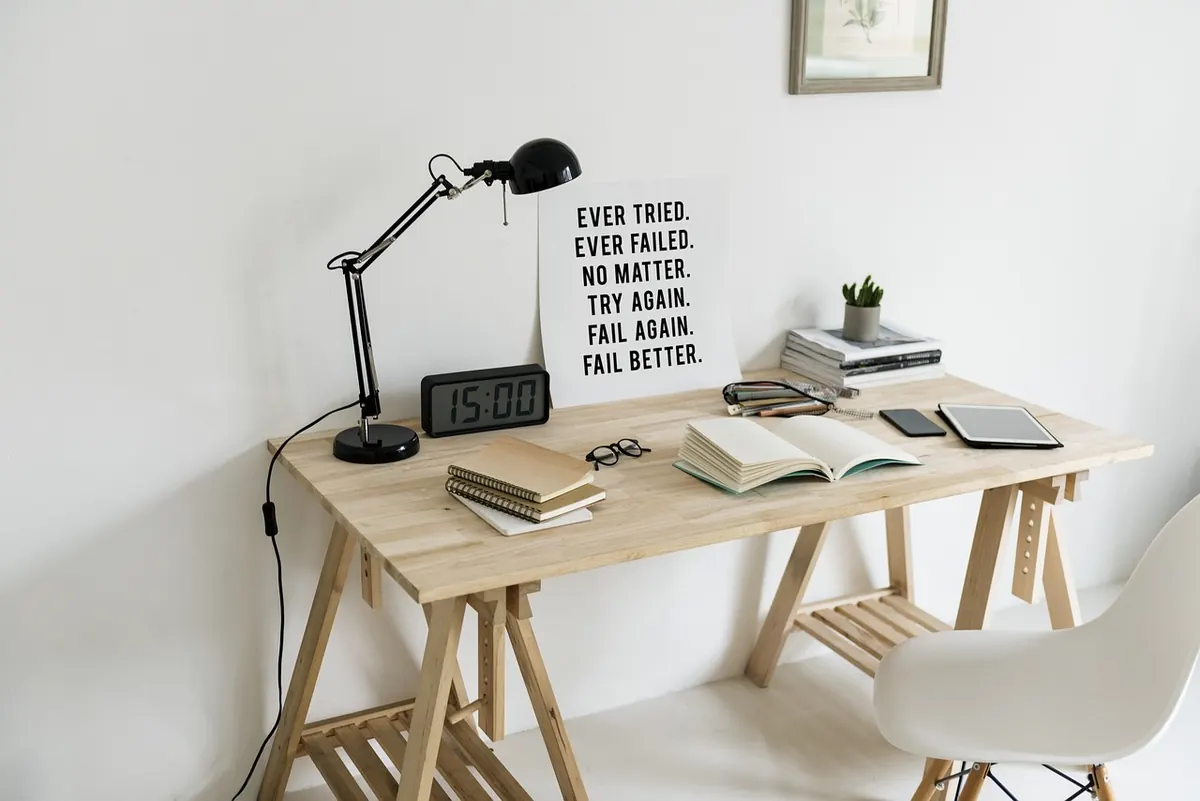
There's a particular kind of book that belongs to the evening. Not the one you can't put down – the one you can. Something with a slow pulse, low stakes and a voice that feels like someone talking quietly in the next room. The five below were chosen for exactly that: they soothe rather than grip, they can be set down mid-chapter without loss, and none of them will have you staring at the ceiling at midnight wondering how it ends.
The criteria, if you want to apply them to your own shelves: gentle pacing, ordinary stakes, short chapters, and warmth that doesn't tip into sentimentality. Plot is allowed. Menace, twists and chapters that end on a cliffhanger are not. If a book makes your heart rate rise, it belongs in the morning.
1. A Month in the Country – J. L. Carr
Barely a hundred pages, and almost nothing happens in them. A young man arrives in a Yorkshire village in the summer of 1920 to uncover a painted wall in a church that has been whitewashed over for centuries. He mows grass, eats his lunch, sleeps in the bell tower and falls quietly in love with the vicar's wife.
That's the whole story, and it is enough. Carr writes in short, clean sentences that leave plenty of space around them. The effect is like sitting in a warm room while someone else works. Read it across two or three evenings, or stretch it over a fortnight – it doesn't mind either way.
2. The Diary of a Provincial Lady – E. M. Delafield
If falling asleep is the problem rather than staying awake, start here. Delafield's fictional diary entries run to a paragraph or two apiece: a disastrous dinner, a hat that doesn't suit, a running battle with the household budget. The heroine is self-deprecating, permanently short of money and quietly funny about all of it.
Because the entries are so short, there is no plot to lose and nothing to remember from one night to the next. Three pages and the light goes off. It also manages the rare trick of being funny without being stimulating; the jokes are dry, domestic and entirely free of cliffhangers.
3. The Wind in the Willows – Kenneth Grahame
Not only a children's book, and better read slowly than at speed. Grahame's riverbank is one of the most restful landscapes in English fiction: willows, picnic hampers, long afternoons, a fire in a burrow. The chapters are self-contained, which makes it ideal for one a night.
A few to try if you know the book well already: "Dulce Domum", in which Mole comes home; "The River Bank", for the full sensory welcome; and "Wayfarers All", which drifts in a way that suits a tired mind. Save "The Piper at the Gates of Dawn" for an evening when you want something dreamlike rather than comic.
4. Wintering – Katherine May
Non-fiction this time, and the most directly useful of the five. May writes about periods of withdrawal – hers followed a stretch of illness, work stress and family difficulty – and makes a case for treating them as seasons rather than failures. The chapters are short, the tone unhurried, and the permission it offers is genuine.
It works in the evening because it demands nothing of you. There are no exercises, no plans, no seven-step programmes. You read a chapter about cold-water swimming or the winter solstice, and you close the book feeling slightly less behind.
A note: this is a companion for a difficult stretch, not a treatment for one. If low mood or poor sleep persists for more than a few weeks, speak to your GP.
5. The Book of Delights – Ross Gay
Short essays, written one a day over the course of a year, each roughly the length of this section. Gay sets himself a simple task: notice delight and write it down. The smell of a tomato plant, a stranger's laugh, the particular pleasure of a well-packed suitcase.
As an evening read it's close to ideal. One essay, then sleep. There is no narrative thread to hold in your head overnight, and the cumulative effect is a mild re-tuning of attention – you begin noticing your own small pleasures during the day, which is a decent return on ten minutes before bed.
Making the Evening Read Work
Choosing the right book is half of it. The other half is the setting, and small adjustments make more difference than you would expect.
- Keep an evening book separate from your main read. If you're halfway through something gripping, leave it for daytime. The bedtime shelf should be a different category entirely.
- Favour short chapters. A thirty-page chapter invites the "one more" trap; a two-page one gives you a natural place to stop.
- Choose paper, or dim the screen. Many people find a printed page easier to close than a device that also holds email.
- Leave your phone in another room. Even on silent, its presence changes how you read.
- Stop mid-paragraph when you're tired. It gives you an easy way back in tomorrow and removes the pressure to reach a chapter end.
Finally, give it a fortnight. A calming reading habit rarely clicks on the first night; it builds from repetition, at roughly the same time, in roughly the same chair. Start with ten minutes and let it grow. If a book keeps you alert instead of settling you, put it aside without guilt and try the next one. That isn't a failure of concentration – it's simply the wrong book for that hour.
Photo: rawpixel / Pixabay