The Science of Twilight: Why Dusk Helps You Switch Off
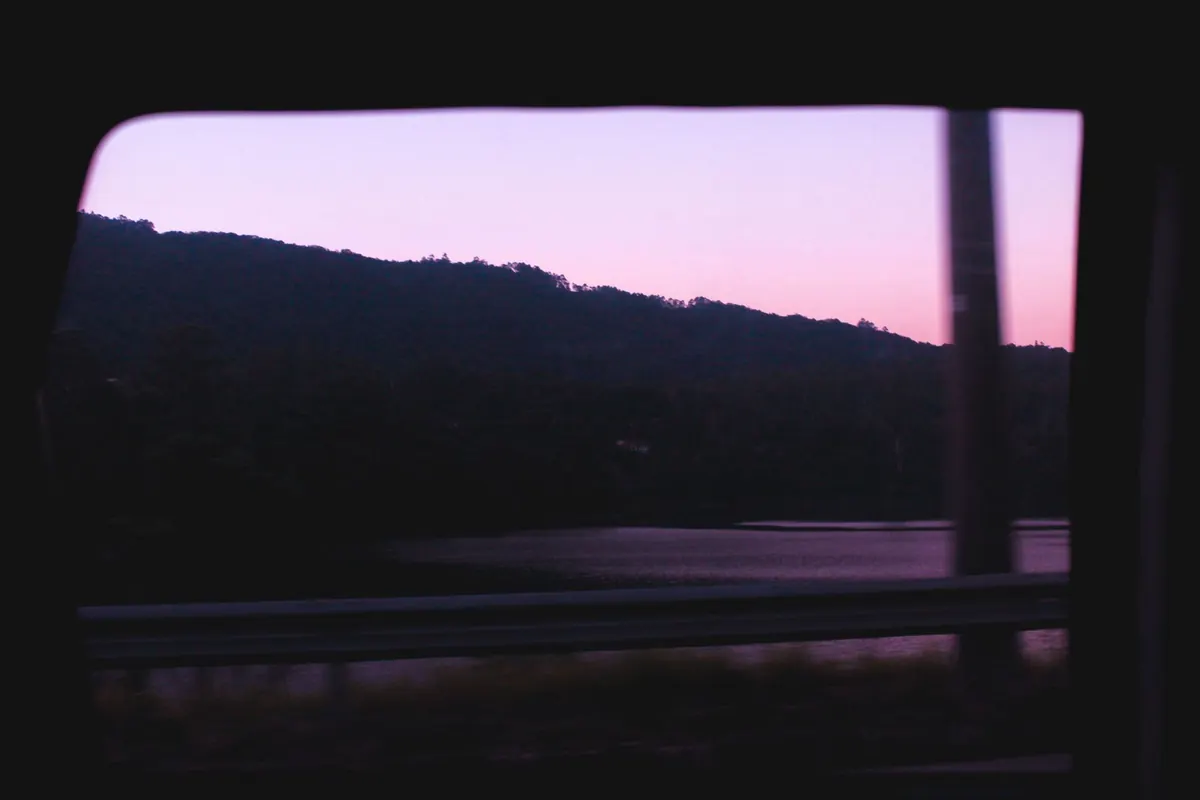
The most effective dimmer switch in your home is one you never have to touch. It starts working an hour or so before sunset, it costs nothing, and it has been telling human bodies when to slow down for a very long time. Dusk.
We usually treat it as a backdrop, something that happens while you're finishing emails or washing up. But your body is reading it closely. Give it a little attention and the last hour of daylight becomes the easiest wind-down tool you own.
Your eyes report the light, not the view
Buried in the retina is a small set of cells that do not help you see edges, faces or colours. Their job is simpler: they measure how bright the light is and how much blue it contains, then send that reading straight to the part of the brain that governs your body clock.
That reading matters more than most people realise. Light is the main signal that tells the body what time it is. As the reading falls through dusk, the clock begins to prompt the release of melatonin, the hormone that prepares you for sleep. Levels typically start rising a couple of hours before your habitual bedtime, and bright light can hold them back.
This is why the ceiling light at 10pm is a poor idea. It does not simply look harsh. It tells the clock that the evening has not ended yet.
Dusk isn't just "less light"
Three things change at once as the sun drops, and each of them is a cue.
The level falls quickly
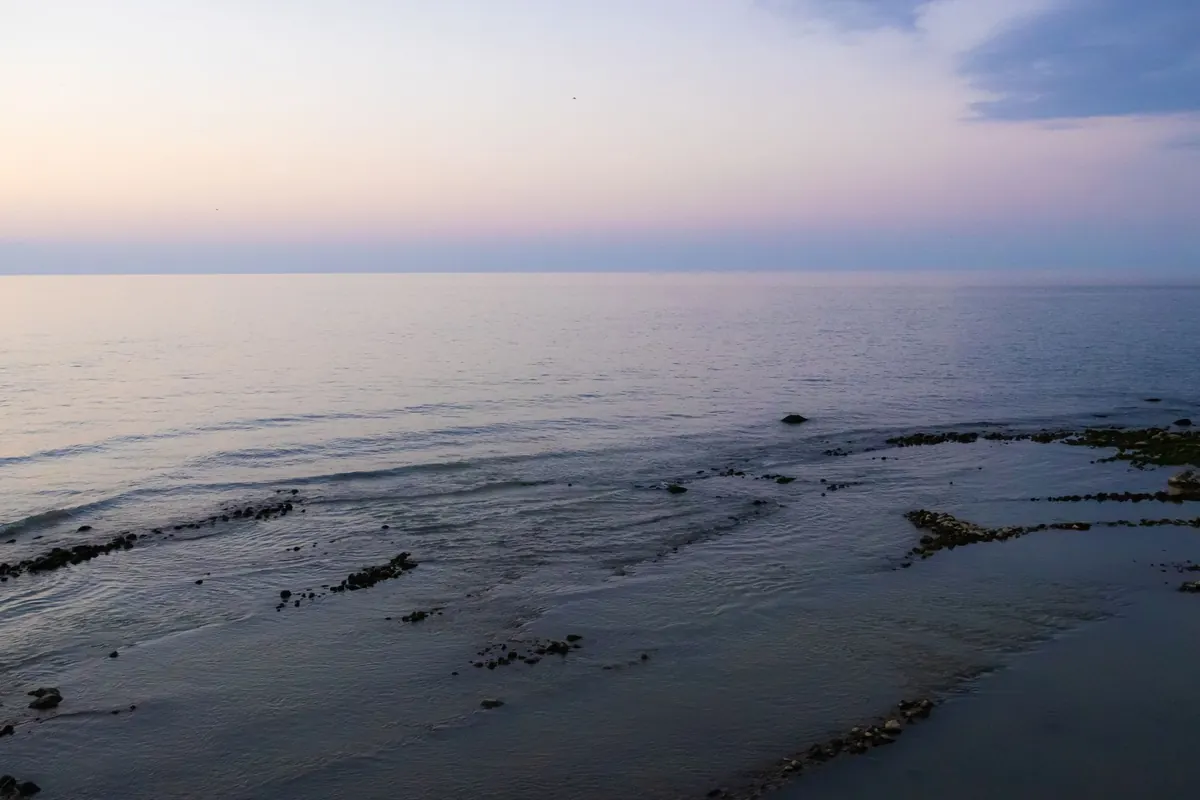
Outdoor light at dusk drops far faster than indoor lighting ever does. That's the trouble with staying inside: your lamps hold the room at a steady brightness, so you experience dusk as nothing more than a change in the sky outside the window. Step out for ten minutes and you feel the difference at once.
The colour warms
Low sun travels through more atmosphere, which filters out much of the blue. What reaches you is warmer and redder, the same shift a candle or a low-wattage lamp gives you. It is a gentler signal than the cold white of a phone screen or a kitchen spotlight.
The contrast softens
Shadows lengthen and lose their hard edges. Visually, the world becomes less demanding: less glare, fewer sharp transitions for your eyes to keep adjusting to. That quietening is part of the cue.
What fading light does to mood and arousal
Bright light tends to lift alertness. It sharpens attention, makes tasks feel more pressing and keeps the nervous system in a doing mode. Dimmer, warmer light does the opposite. It lowers arousal, softens focus and makes it easier to stop.
This is why a gradual slide into evening generally feels kinder than an abrupt one. If you go straight from a bright screen to a bright kitchen to bed, you have given your body no transition at all. Dusk, or something that imitates it, supplies the missing ramp.
For some people, though, the shortening days of autumn and winter bring a genuine drop in mood that lasts weeks rather than hours. If low mood in the darker months is affecting your sleep, appetite or daily life, speak to your GP rather than trying to fix it with lighting alone.
Wind-down cues your body actually notices
- Light level. Aim for the room to be noticeably dimmer an hour before bed. Not dark, just lower.
- Colour temperature. Warm whites, lamps, candles. Avoid cold, blue-rich light close to your face.
- Direction. Light from above signals activity. Light at low level, from the side, signals rest.
- Timing. The same sequence at roughly the same time each night does more than any single clever trick.
- Sound. A change in noise, whether music off or kettle on, works as an audible version of fading light.
- Temperature. A slightly cooler bedroom supports sleep, and a warm bath an hour or two before bed helps because of the cool-down that follows.
Using dusk at home
You don't need a view of the horizon. You need to stop overriding the signal.
Keep the main light off and use two or three small lamps instead, placed lower than eye level. Draw the curtains only once the light outside has genuinely gone, so you get the transition rather than a sudden blackout. If you have a garden, a balcony or even a quiet street, take a mug of tea outside for ten minutes and watch the change instead of reading your phone through it.
If you prefer something more structured, dim the lights by roughly half at the same point each evening. Most people find a two-step dim works well: one at sunset, one an hour before bed. It takes seconds to set up and needs no willpower later on.
A note on sleep: persistent insomnia, heavy snoring with daytime tiredness, or a sleep pattern that never settles are worth a conversation with a doctor. Evening light is a useful lever, not a treatment.
A twenty-minute experiment for tonight
Pick one evening this week. Check the time of sunset, then do three things.
- Twenty minutes before sunset, turn off the overhead lights and switch on a lamp.
- At sunset, go outside, or open a window and stand near it, for ten minutes. No screen.
- When you come back in, keep the room dim and warm until bed.
Notice how the last part of the evening feels. Most people find it easier to stop and harder to start something new. That is the whole idea. Dusk isn't a stretch of time to get through on the way to night. It is the cue itself, and it is already happening outside your window.
Photo: Raphael Brasileiro / Pexels